

Binary Standoff
Open Space Exploration | Landmarks | Natural Guidance
| Environment Puzzle | Combat
The Elder Scrolls V: Skyrim
Level Summary
The Heart of Stonevale is a single-player level built for The Elder Scrolls V: Skyrim that centers on Landmark-driven level design. The project explores how the “Denial and Reward” principle can sustain the appeal of visible landmarks and strengthen player motivation. By placing pre-arrival obstacles before landmarks and synchronizing progression-based rewards with visual guidance, the level creates a recurring attraction loop that naturally directs players forward.
35+ minutes of gameplay
1 exterior space
2 interior space
8+ major combat encounters
4 enemy types + Boss fight
Semi-open map (Linear main flow & Exploration & Navigation Space)
Thesis "Best Practices of Landmark in Level Design: Maintaining Player Motivation Using Denial and Reward" has been posted to
Design Goals
Design Goals
Active Wayfinding

Landmarks Hierarchy
Global landmark represents the ultimate goal is visible from most areas.
Regional landmarks represent sub-goals.
Local décor landmarks Smaller-scale environmental cues aid micro-navigation.
Map Overview
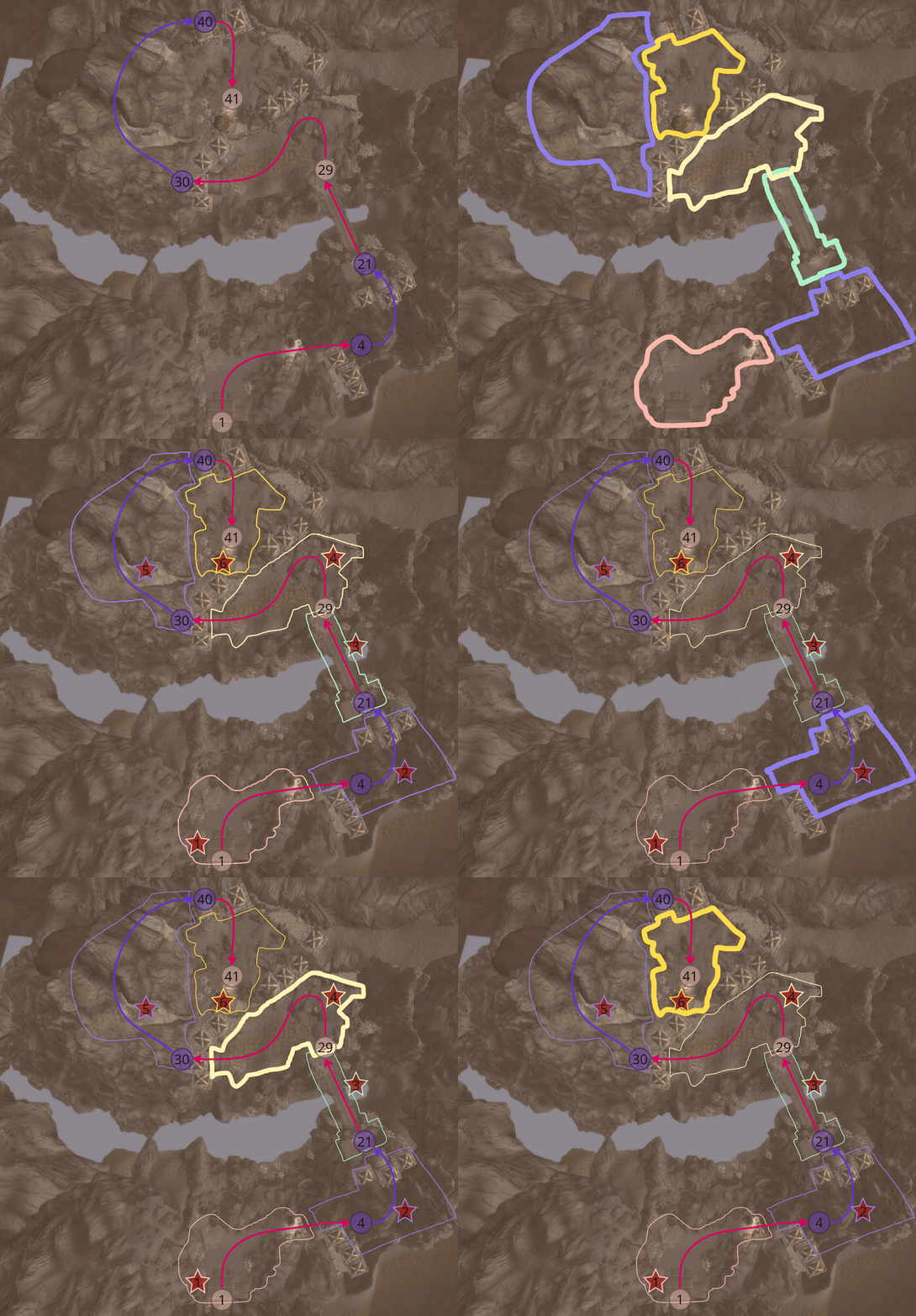
Exterior
The level's overall flow follows an S-shaped progression rising from bottom to top, divided by natural boundaries such as mountain ridges, rivers, cliffs, and ruins into six regions, each anchored by a single distinctive landmark.
Purple areas represents 2 indoor space.
Global Landmarks 6 and Regional Landmarks 1-5

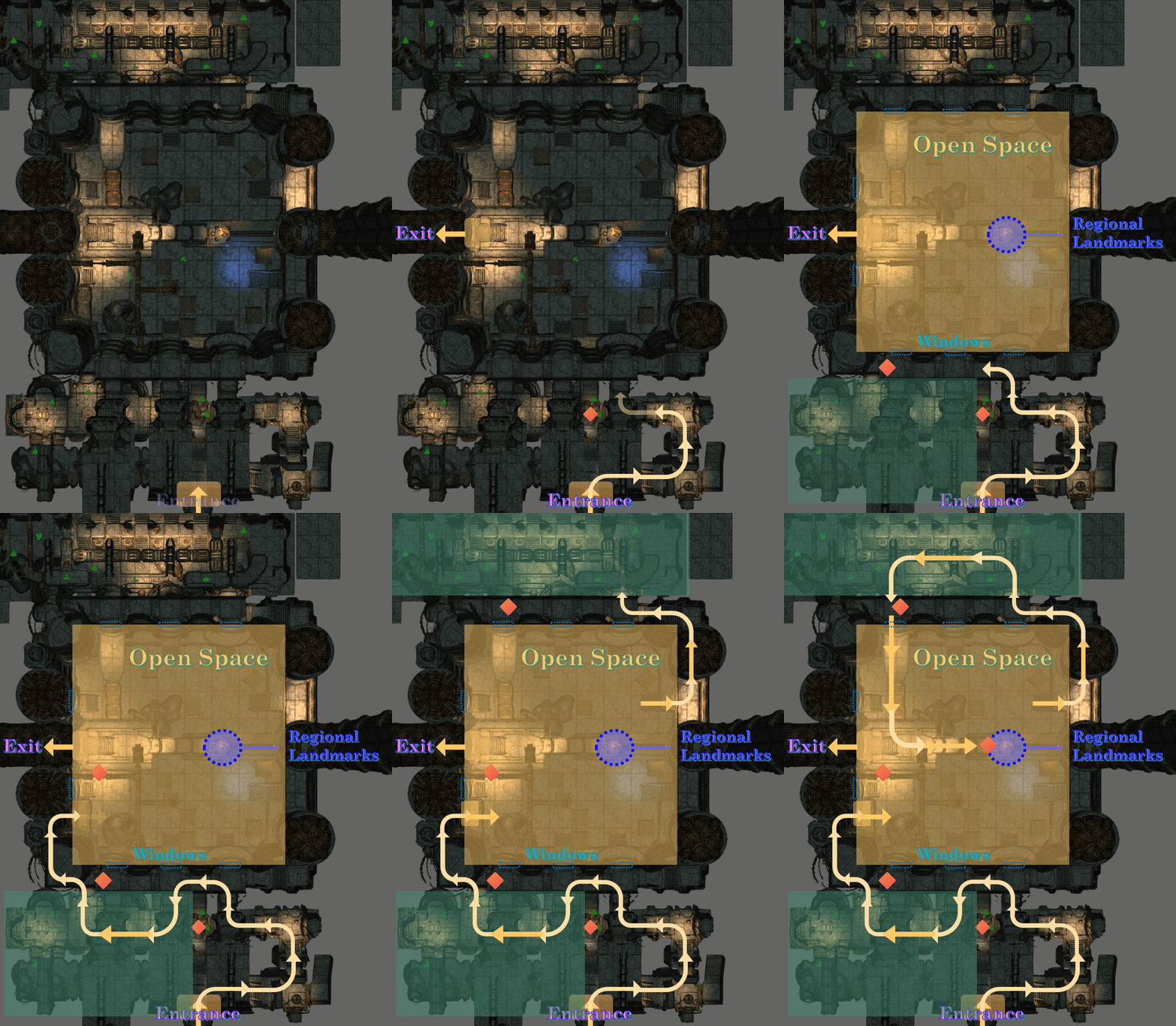
Interior 1
How to place landmarks in indoor spaces?
1. Matching the relative positions of starting point and exit with the outdoor direction, to keep the player's sense of orientation continuous.
2. Indoor maps have large open areas with verticality to give the player a clear view across the whole room.
3. I placed a Regional Landmark 2 statue at the center to act as a navigation anchor.

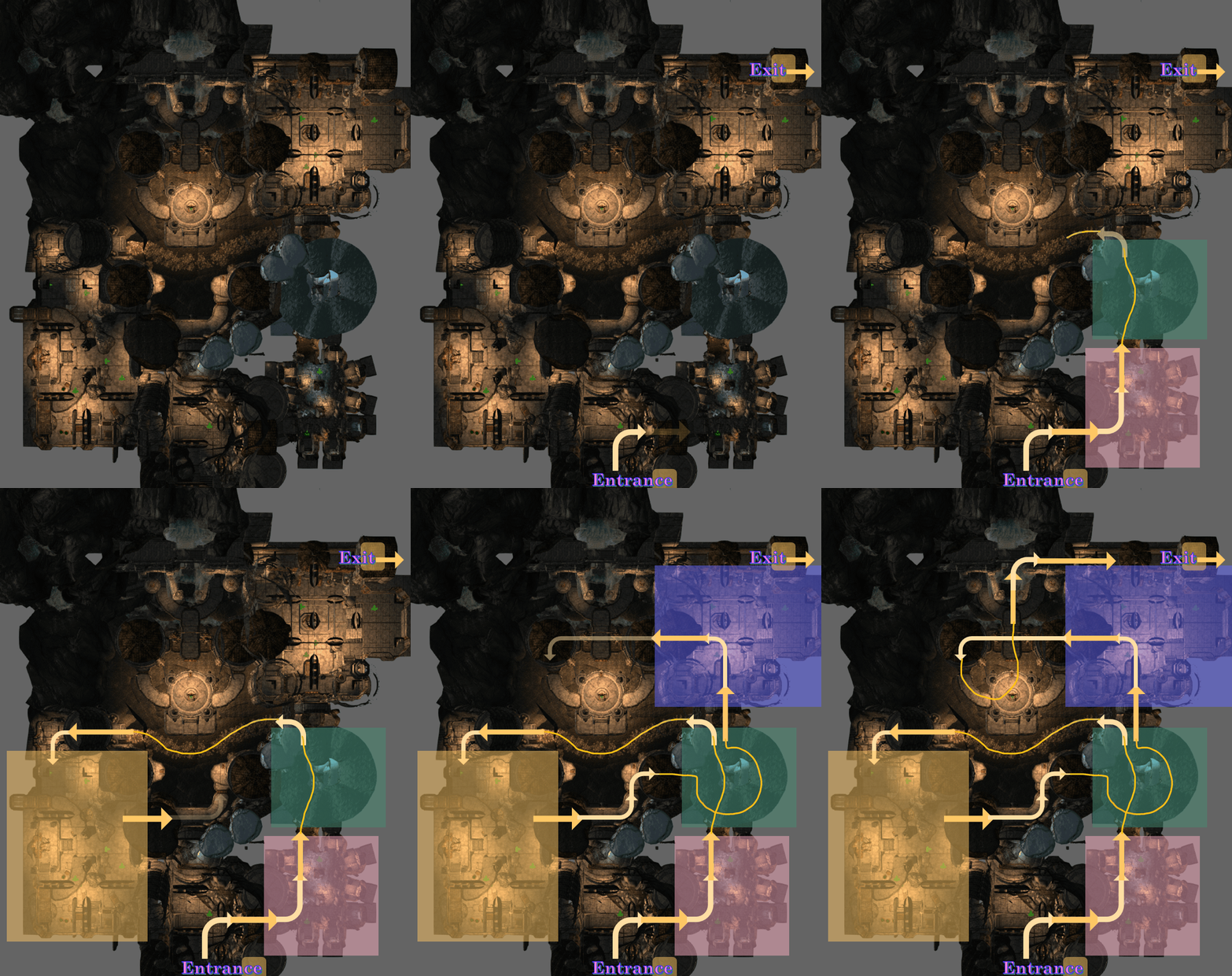
Interior 2
Regional Landmark 5 waterfall is in Cave Interior 2, and is visible from both outdoor and indoor to make sure players build a spatial connection between indoor and outdoor.

Landmarks
Partition the map into zones by gameplay objectives, ensuring the guiding landmarks for each zone are visible within that zone.
1. Use only one dominant Global landmark
2. Use scale differences to tier the landmark hierarchy.
3. Assign each zone a distinct regional landmark and functional/aesthetic theme, giving it a unique identity that supports quick recognition, spatial memory, and navigation.