

The Heart of Stonevale
Open Space Exploration | Landmarks | Natural Guidance
| Environment Puzzle | Combat
The Elder Scrolls V: Skyrim
Level Summary
The Heart of Stonevale is a single-player level built for The Elder Scrolls V: Skyrim that centers on Landmark-driven level design. The project explores how the “Denial and Reward” principle can sustain the appeal of visible landmarks and strengthen player motivation. By placing pre-arrival obstacles before landmarks and synchronizing progression-based rewards with visual guidance, the level creates a recurring attraction loop that naturally directs players forward.
35+ minutes of gameplay
1 exterior space
2 interior space
8+ major combat encounters
4 enemy types + Boss fight
Semi-open map (Linear main flow & Exploration & Navigation Space)
Thesis "Best Practices of Landmark in Level Design: Maintaining Player Motivation Using Denial and Reward" has been posted to
Level Design Document
Map Overview
Exterior
Interior 1
Interior 2
Early LDD Plan ↔ Final Playable Layout
The three spaces preserve the original bottom-to-top, S-shaped progression, while their scale, verticality, and encounter layouts evolved throughout production.
Active Wayfinding
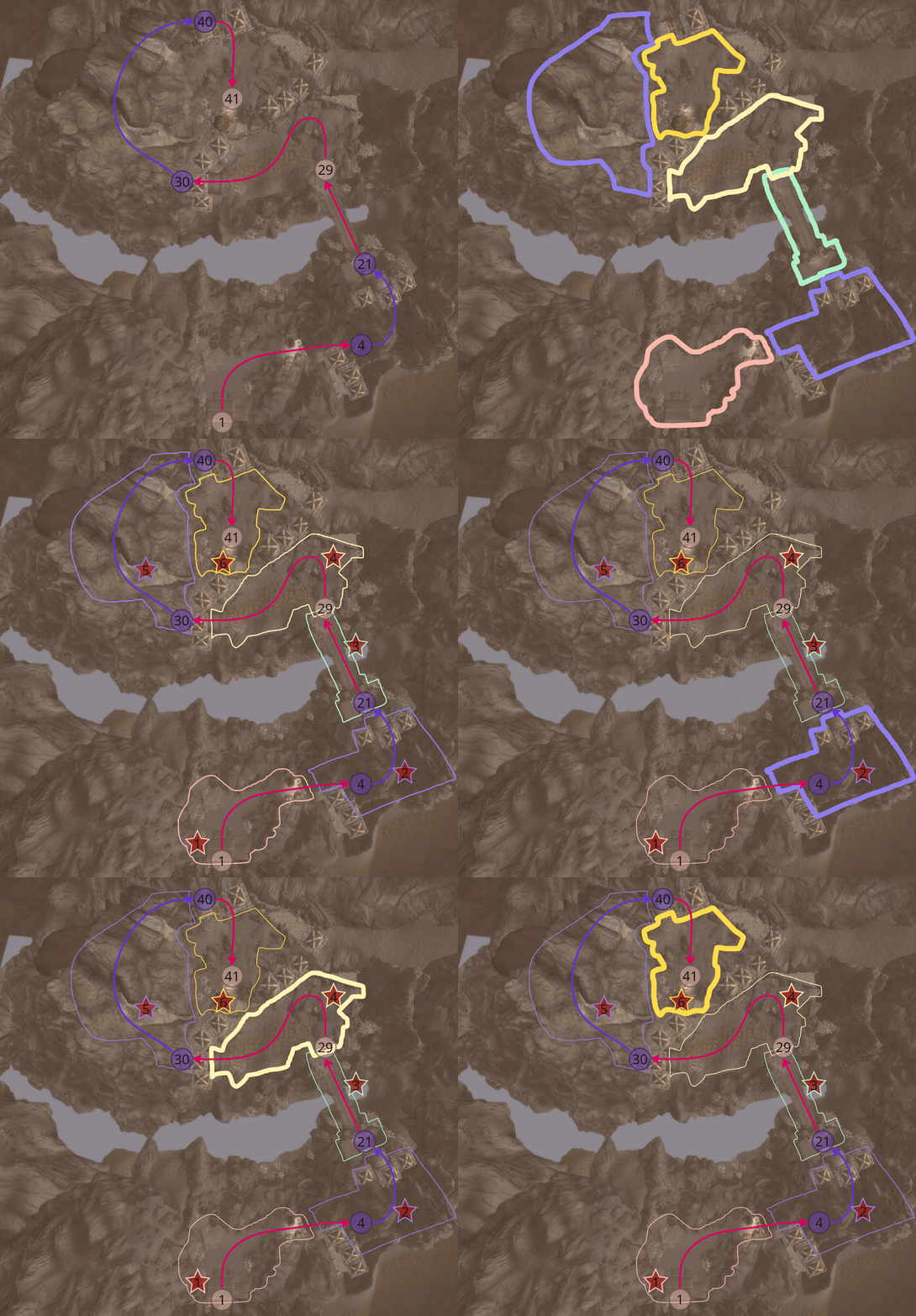
>Zoning
The level's overall flow follows an S-shaped progression rising from bottom to top, divided by natural boundaries such as mountain ridges, rivers, cliffs, and ruins into six regions, each anchored by a single distinctive landmark.
>Landmarks
Purple areas represents 2 indoor space.
Global Landmarks 6 and Regional Landmarks 1-5

Landmarks Hierarchy
Global landmark represents the ultimate goal is visible from most areas.
Regional landmarks represent sub-goals.
Local décor landmarks Smaller-scale environmental cues aid micro-navigation.

How to place landmarks in indoor spaces?
>Open Space Exploration
1. Match the relative positions of the starting point and exit with the outdoor direction to keep the player's sense of orientation continuous.
2. Indoor maps have large open areas with verticality to give the player a clear view across the whole room.
3. I placed a Regional Landmark 2 statue at the center to act as a navigation anchor.
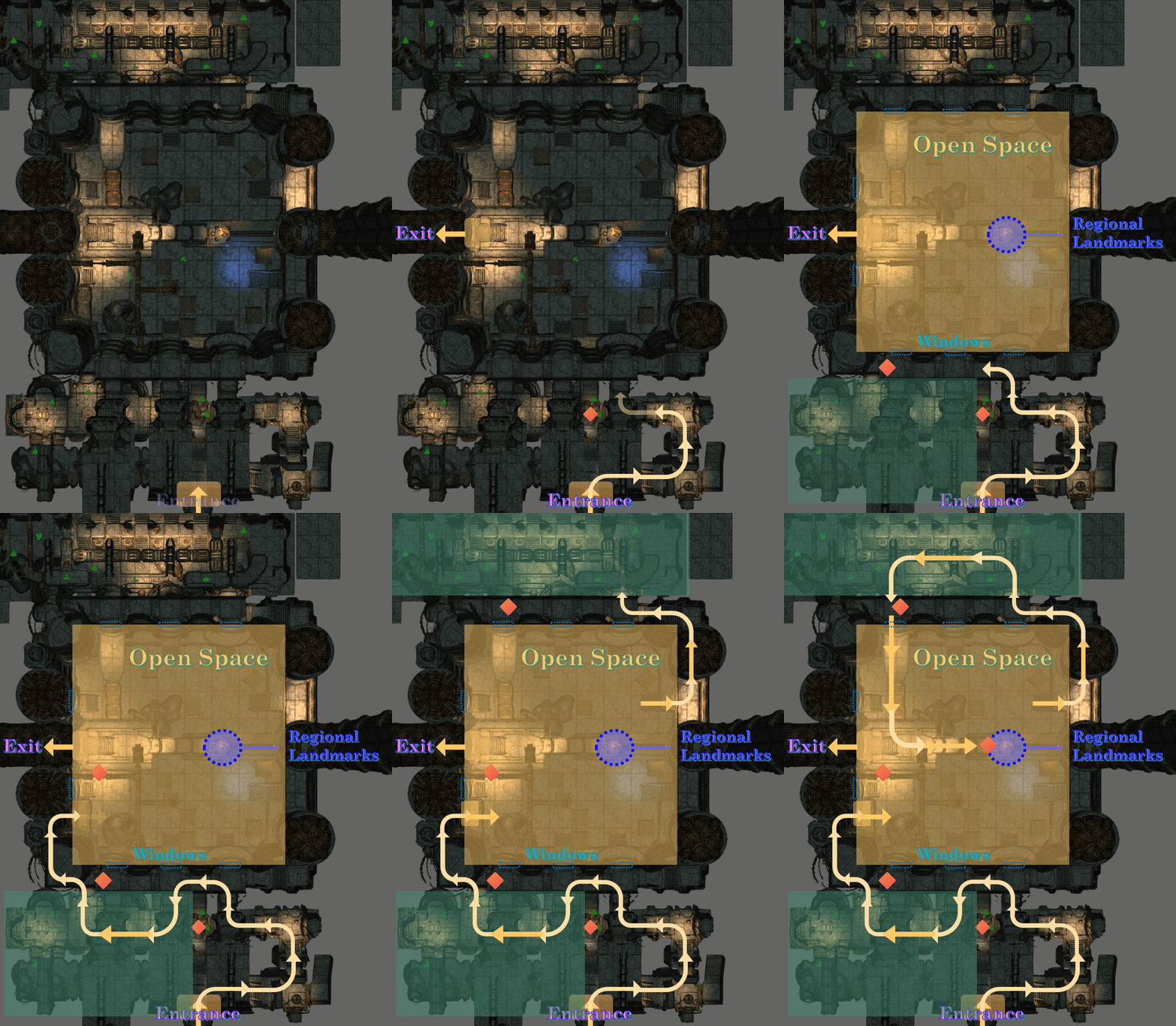

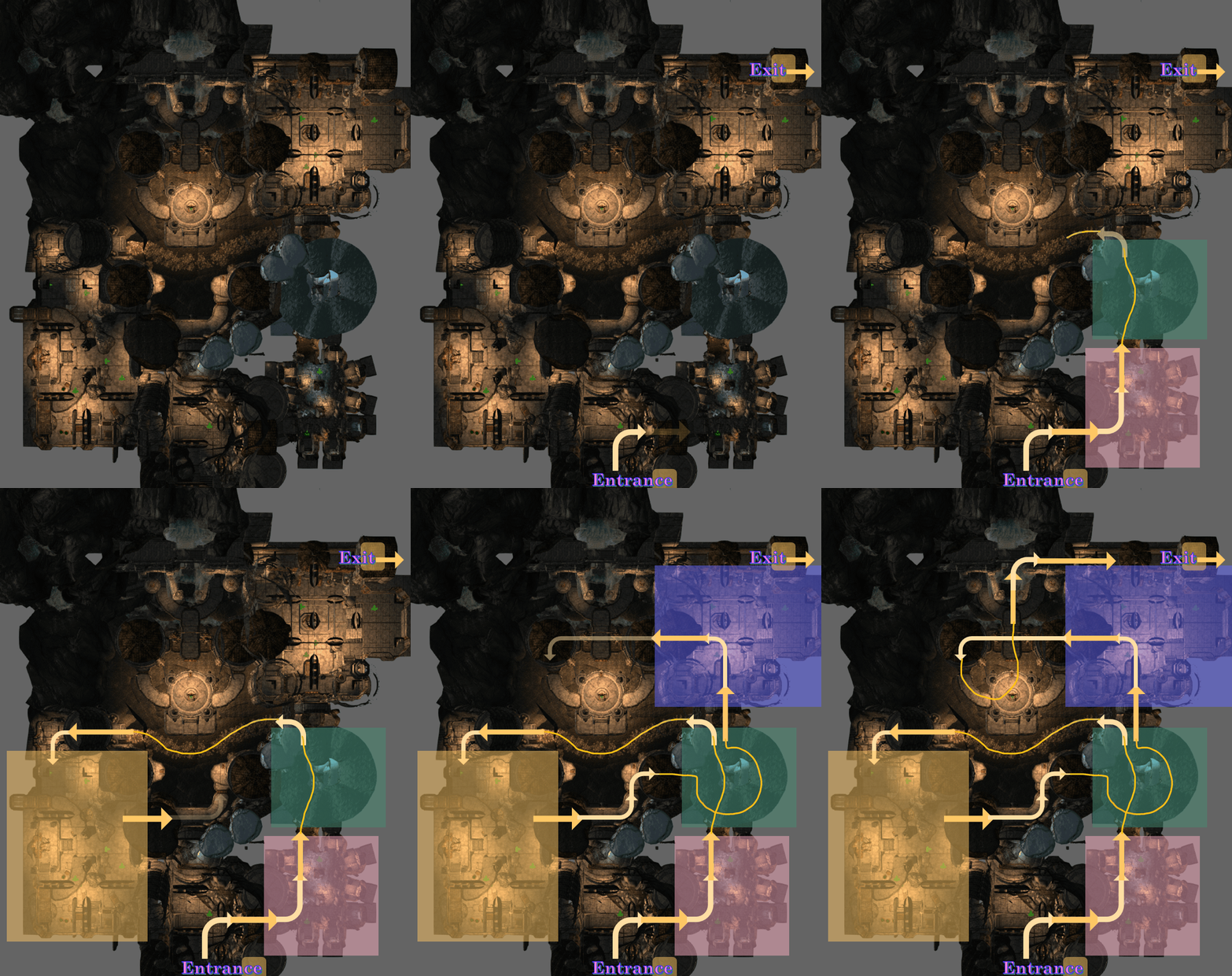
4. After each combat room, players re-traverse the hall, reinforcing verticality and backtracking to relocate themselves and gauge progress toward the main goal.
5. 4 local landmarks with gameplay strengthen player environmental interaction and build a habit of noticing and using landmarks for orientation.
>Conveyance
6. To aid recognition for players, I gave each space an identity, both with different colors and structures.
7. Players pass through the waterfall to reach a treasure, as a rewarding vista that further heightens their sense of accomplishment in conquering the region.

Gameplay Depth
>Environmental Puzzle
1. Dynamic Layout Puzzles
Pulling levers raises or lowers platforms, reconfiguring traversal routes, vertical access, and combat spaces.
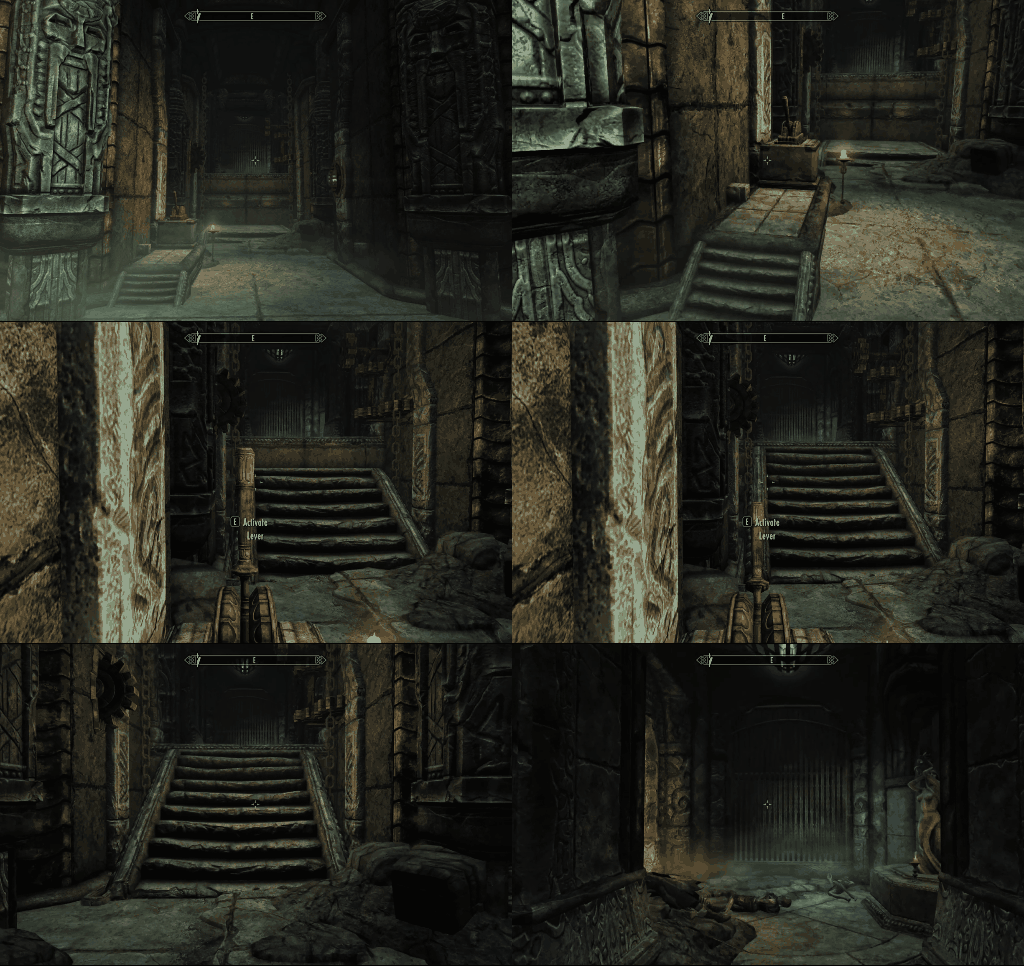
Mechanic Introduction
A framed lever raises the staircase, teaching players that interacting with the mechanism can reshape the environment and open a new route.
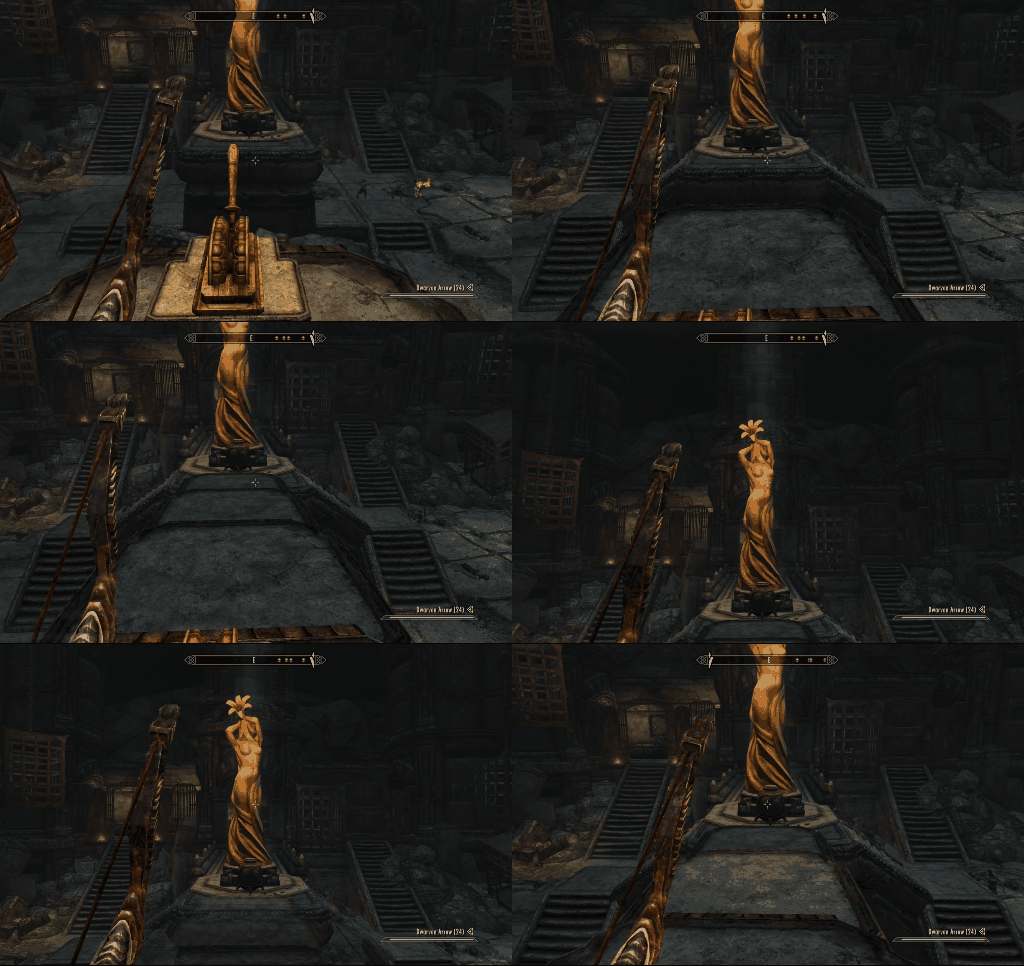
Escalated Spatial Transformation
Later interactions reshape multiple platforms and vertical routes at once, transforming the familiar mechanic into a large-scale spatial reveal with stronger gameplay and emotional payoff.
Pillar Combination Puzzles
Rotate Classic Skyrim puzzle pillars into a specific symbol sequence, with solutions embedded in the nearby environment.
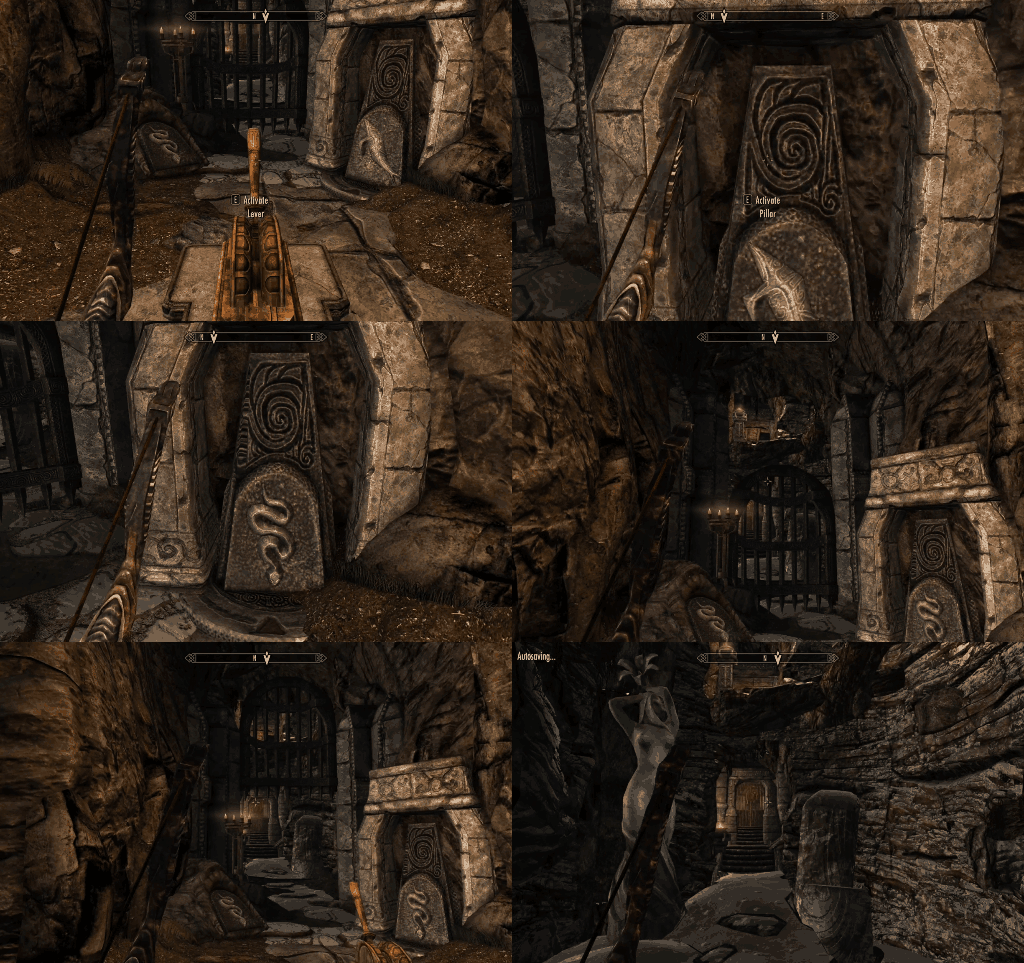
Challenge-Gated Clues
Players must reveal each required symbol by overcoming a secondary gameplay obstacle, making clue discovery part of the challenge.
Mechanic Introduction
Because the core mechanic is simple, the puzzle quickly escalates by placing each clue behind another traversal or combat challenge.
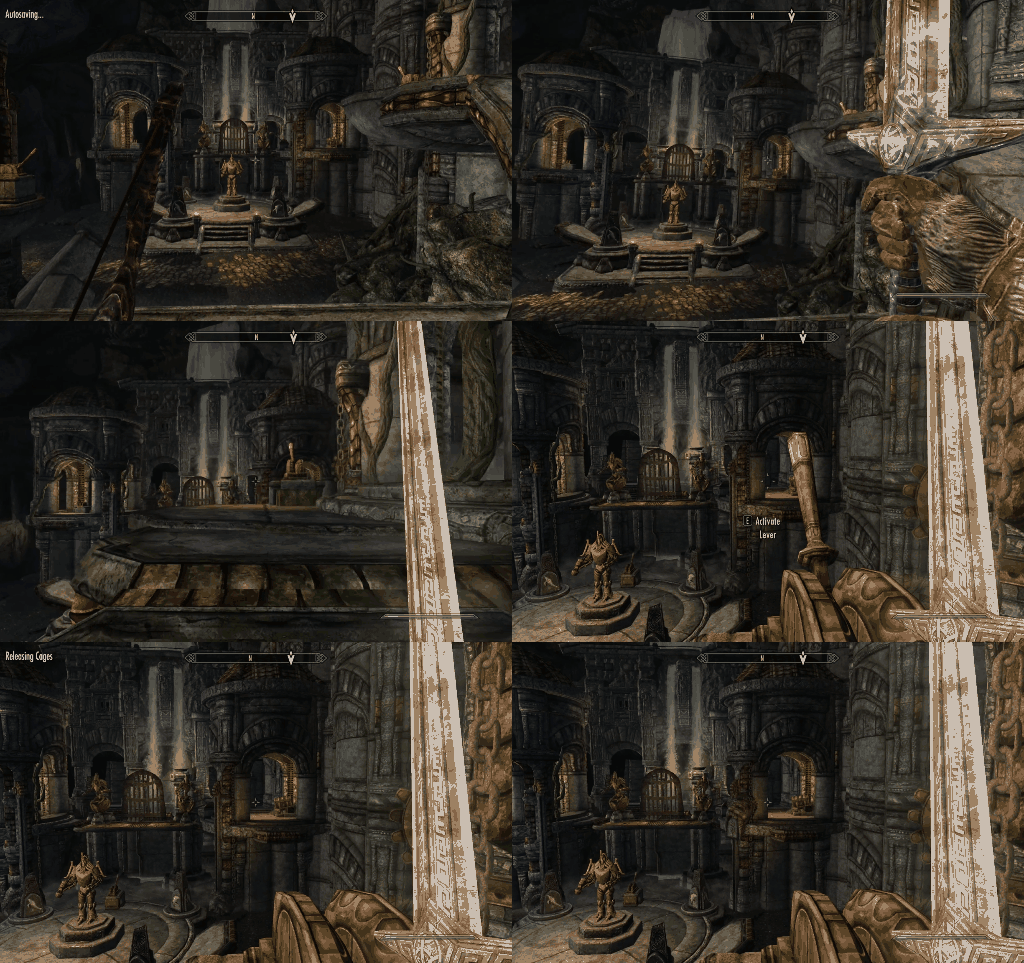
Sequence Resolution
After collecting the environmental clues, the player aligns the symbols in the correct order to activate the mechanism and unlock the route forward.
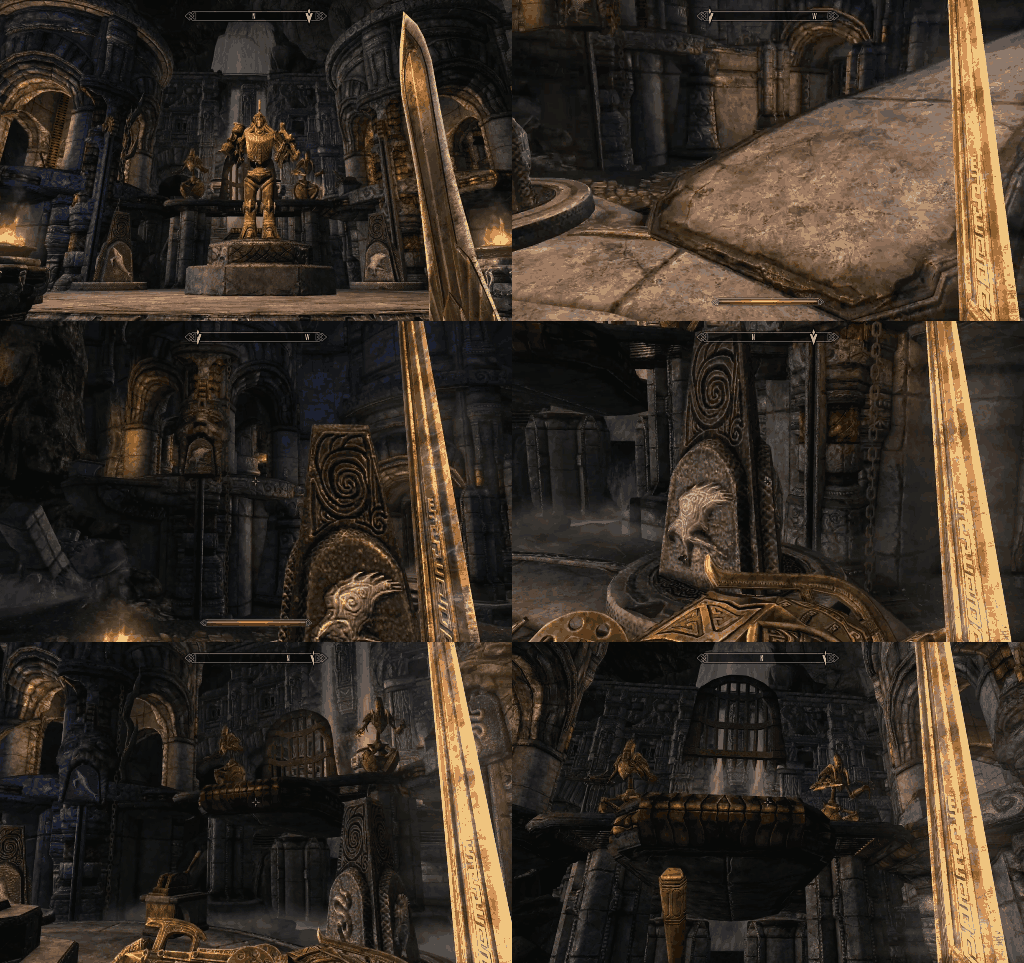
Trap-Based Challenges
Familiar Skyrim traps are introduced as readable hazards, then repurposed as combat tools and progression gates. By changing their placement and activation conditions, the same trap language evolves from simple avoidance into tactical choice and puzzle-like access control.
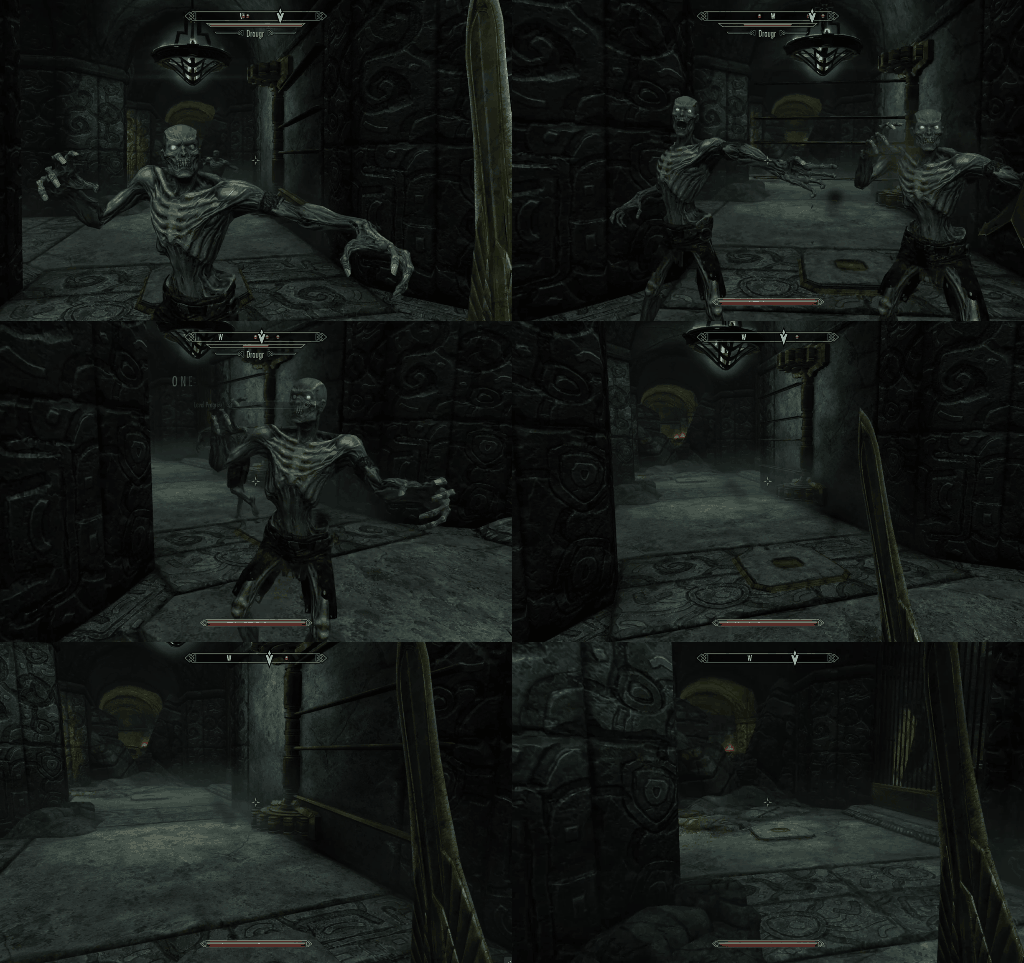
Trap-Assisted Combat
A Spinning Blade Trap placed inside the encounter space allows players to avoid the hazard, fight around it, or deliberately lure enemies into its path.
Trap Introduction
A pressure plate introduces the Swinging Wall Trap, teaching players to recognize its trigger, danger zone, and movement timing.
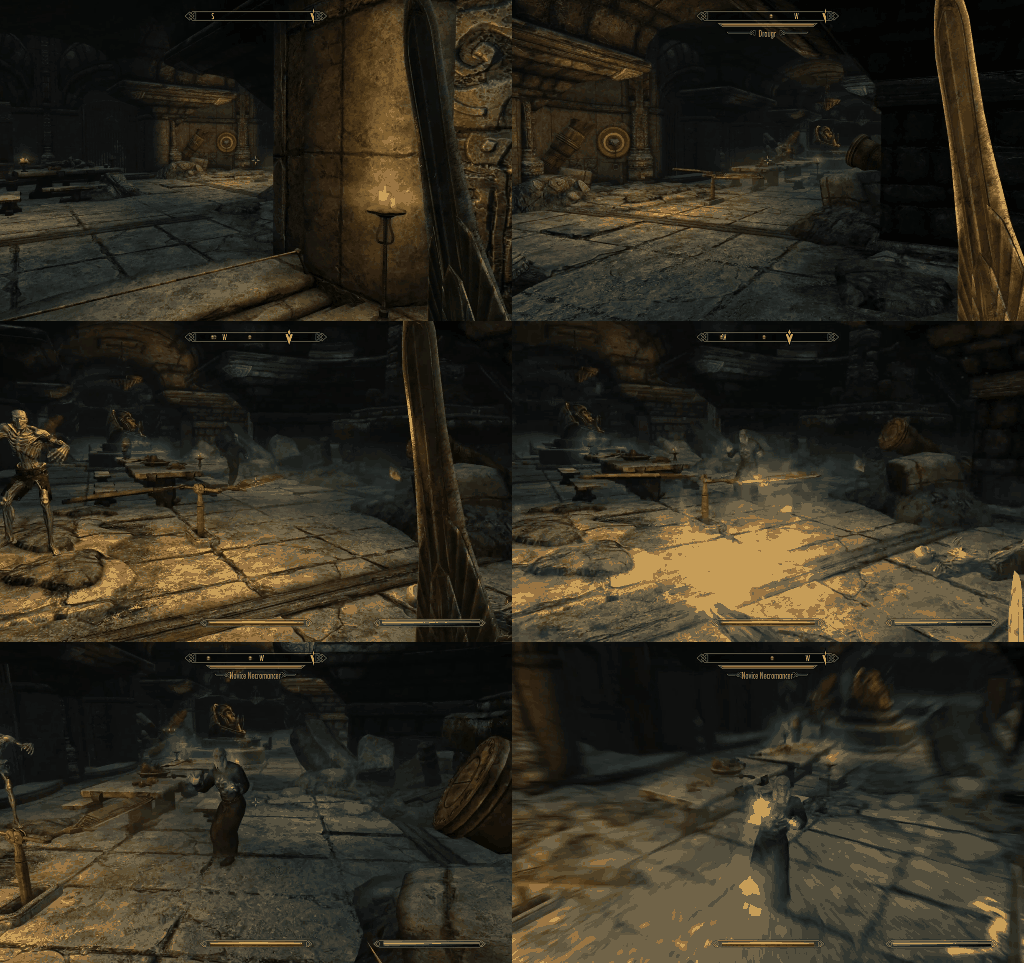
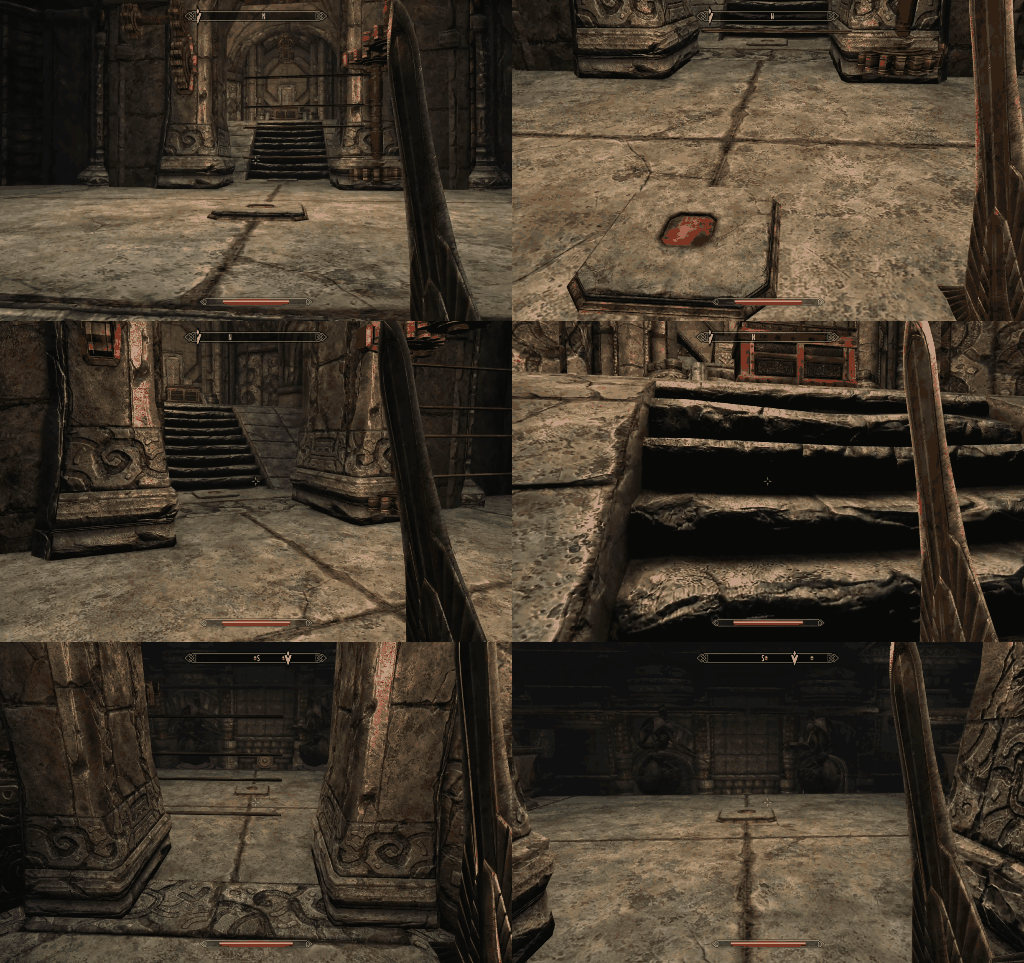
Trap-Gated Reward
A Swinging Wall Trap positioned across the doorway functions as a mechanical lock. To reach the chest, players must deliberately activate the trap, read its movement cycle, and pass through without taking damage.
>Denial and Reward
Goal Denial
Visible landmarks and rewards remain in sight but are blocked by cliffs, locked gates, combat encounters, or puzzles, turning each destination into a clear gameplay objective.
Reward Loop
Overcoming each denial delivers a proportional payoff—supplies, weapons, access keys, or rewarding vistas—before revealing the next goal and restarting the loop.
Aesthetics & Visual Conveyance
>Room Identity by Function
Each room is given a distinct function and visual identity, helping players recognize previously visited spaces and reducing disorientation between similar interiors.
Interior 1 — Abandoned Ritual Dungeon
Dry stonework, flat masonry floors, and collapsed ruins establish the identity of an abandoned underground ceremonial complex.

Ceremonial Hall
Small Conference room

Interior 2 — Waterfall Cavern
Centered around a waterfall, the second interior uses cool colors, earthen surfaces, damp rock, and flowing streams to distinguish its natural cave spaces from the constructed dungeon.

Ceremonial Hall

Ancient tomb
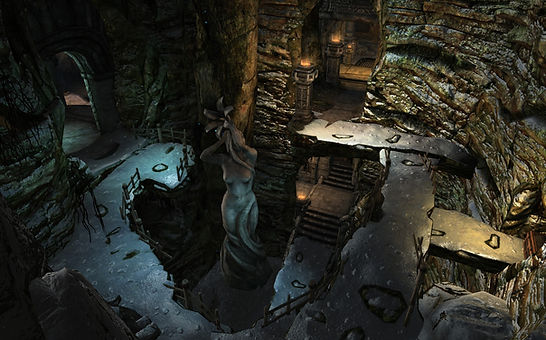
snow drifts in Cave
>Lighting & Color Language
Lighting is organized into three functional layers: blue-violet ambient light establishes atmosphere, green area lighting defines playable spaces, and golden guidance light highlights landmarks and the intended route.


>Compositional Guidance
Framing, symmetry, and environmental silhouettes organize each view around a clear focal point, allowing players to identify landmarks, exits, and objectives without relying on UI markers.
Environmental Framing
Doorways, windows, arches, and rock formations frame the next objective within the player’s natural sightline.


Implementation & Iteration
>Dynamic Layout Puzzle Development
I began with a community tutorial that raised a single tower by Darkfox127. I simplified the original script, removed steps unnecessary for my use case, and extended it with rotation, collision handling, coordinated multi-object movement, and cognitive conveyance.
1. Movable Static Conversion
The original platform mesh was defined as a static object and could not be transformed at runtime. I extracted the required mesh from Skyrim’s game archives and created a custom Movable Static, enabling the first functional platform movement.


2. Collision-Safe Reference Swap
Skyrim did not reliably preserve collision after moving the platform at runtime. To solve this, the script moves a temporary Movable Static, then replaces it with a pre-positioned final reference whose collision is loaded correctly at the destination.

3. Multi-Object Coordination
I rewrote the original single-object logic around paired reference arrays. Each movable object is matched with a destination reference, allowing multiple objects to translate and rotate together. After the movement completes, the script enables collision-ready final references and disables the temporary moving objects.
Activation and State Control

The activation logic checks whether the mechanism has already completed, preventing repeated triggers. It also synchronizes linked objects, controller vibration, camera shake, and sound feedback before movement begins.
Paired-Array Movement
MoveItems and FinalRefs are paired by array index. The loop checks both array lengths and validates each reference before moving every object toward its corresponding target position and rotation.

Collision-Safe Final Reference Swap
After the movement finishes, a second paired loop enables the collision-ready final references and disables the temporary moving objects. The script then activates any additional elements and records the mechanism as complete.

4. Mechanical Feedback Layer
Once coordinated movement was stable, I synchronized gears, chains, and other secondary objects with the platforms, making the mechanism’s activation, direction, and scale easier for players to read.